Top Hotel and Casino Resort: A North America Almanac
This almanac approaches the hotel and casino resort category as a system rather than a list. By mapping how properties operate—through scale, pacing, location, and amenity depth—it becomes easier to identify which environment aligns with your expectations. The United States and Canada each offer distinct interpretations of the same concept, and the difference is often felt in how a stay unfolds over time.
Three Operating Models of a Hotel and Casino Resort
Instead of ranking properties, categorize them. The model often predicts the experience more reliably than the brand name.
All-in ecosystems
Large American properties function as closed loops: gaming, dining, retail, and shows coexist in dense proximity. Guests can remain on-site for the entire stay without repetition.
City-integrated stays
Urban resorts blend with surrounding neighborhoods. The casino complements the city rather than replacing it, making these ideal for mixed itineraries.
Scenic anchors
Destination-led properties use location as a core feature. Views, landmarks, and natural context shape the rhythm of the stay alongside gaming.
Comparison Matrix
Evaluate how representative properties perform across practical dimensions that influence real stays.
| Resort | Country | Model | Room Quality | Casino Depth | Dining Range | Location Edge |
|---|---|---|---|---|---|---|
| Bellagio | USA | All-in ecosystem | High | Extensive | Premium | Central Strip |
| Wynn | USA | All-in ecosystem | High | Premium | Premium | North Strip |
| Borgata | USA | City-integrated | Modern | Strong | Varied | Atlantic City |
| MGM National Harbor | USA | City-integrated | Stylish | Strong | Good | DC proximity |
| Fallsview | Canada | Scenic anchor | Comfortable | Large | Good | Niagara Falls |
| Caesars Windsor | Canada | City-integrated | Comfortable | Strong | Good | Riverfront |
| River Rock | Canada | City-integrated | Modern | Moderate | Good | Airport access |
Extended Essay: How Experience Compounds Over a Stay
When comparing a hotel and casino resort, the temptation is to focus on highlight features: a famous façade, a signature restaurant, or a large gaming floor. Yet the true quality of a stay emerges over time. Small frictions—navigation complexity, inconsistent dining hours, or noisy corridors—compound, while thoughtful design elements—clear wayfinding, dependable food options, and comfortable rooms—quietly elevate the experience.
American properties frequently excel at abundance. The variety is undeniable, and for short, high-energy trips this can be ideal. However, abundance introduces decisions. Over a multi-day stay, decision load becomes part of the experience. Guests who enjoy constant choice will thrive; those seeking simplicity may feel fatigued.
Canadian resorts often prioritize clarity. Movement through the property tends to be more intuitive, and the relationship between the resort and its surroundings is easier to understand. This creates a steadier rhythm that can be particularly valuable for longer stays or mixed-purpose trips that include sightseeing.
Room design is a critical counterbalance to public energy. After hours spent in active spaces, a well-composed room—good lighting, effective sound insulation, practical layout—restores comfort. This is why room quality often determines overall satisfaction more than the casino itself.
Dining breadth supports flexibility. A strong hotel and casino resort offers options across the day: quick breakfasts, mid-range staples, and memorable dinners. The absence of late-night or early-morning options can subtly constrain the trip.
Finally, location amplifies everything. Central positioning reduces friction and expands options; scenic positioning adds meaning beyond the property. The best choice is therefore not universal. It is the one whose operating model aligns with your pace, your preferences, and the story you want the trip to tell.
Atmosphere Gallery
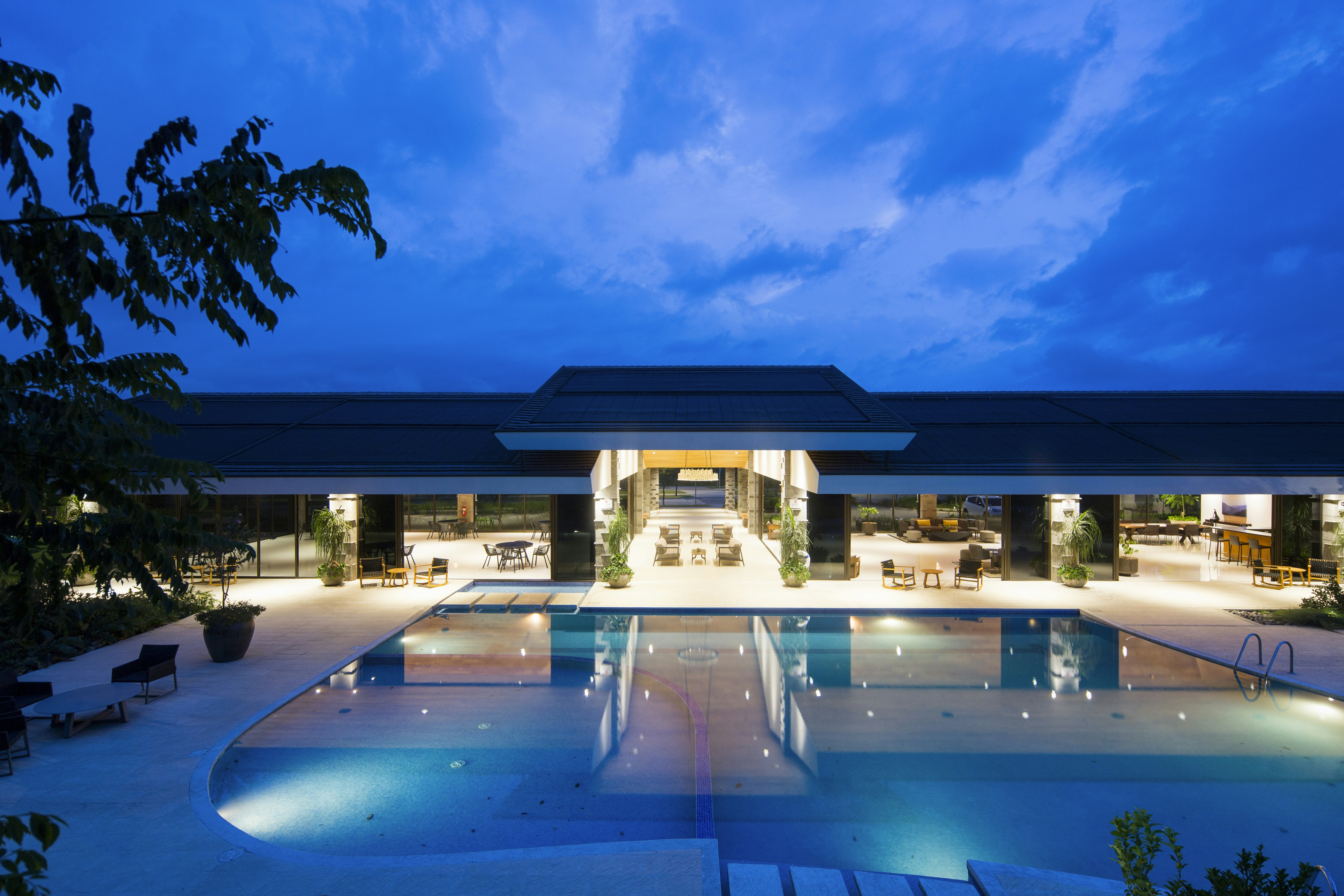
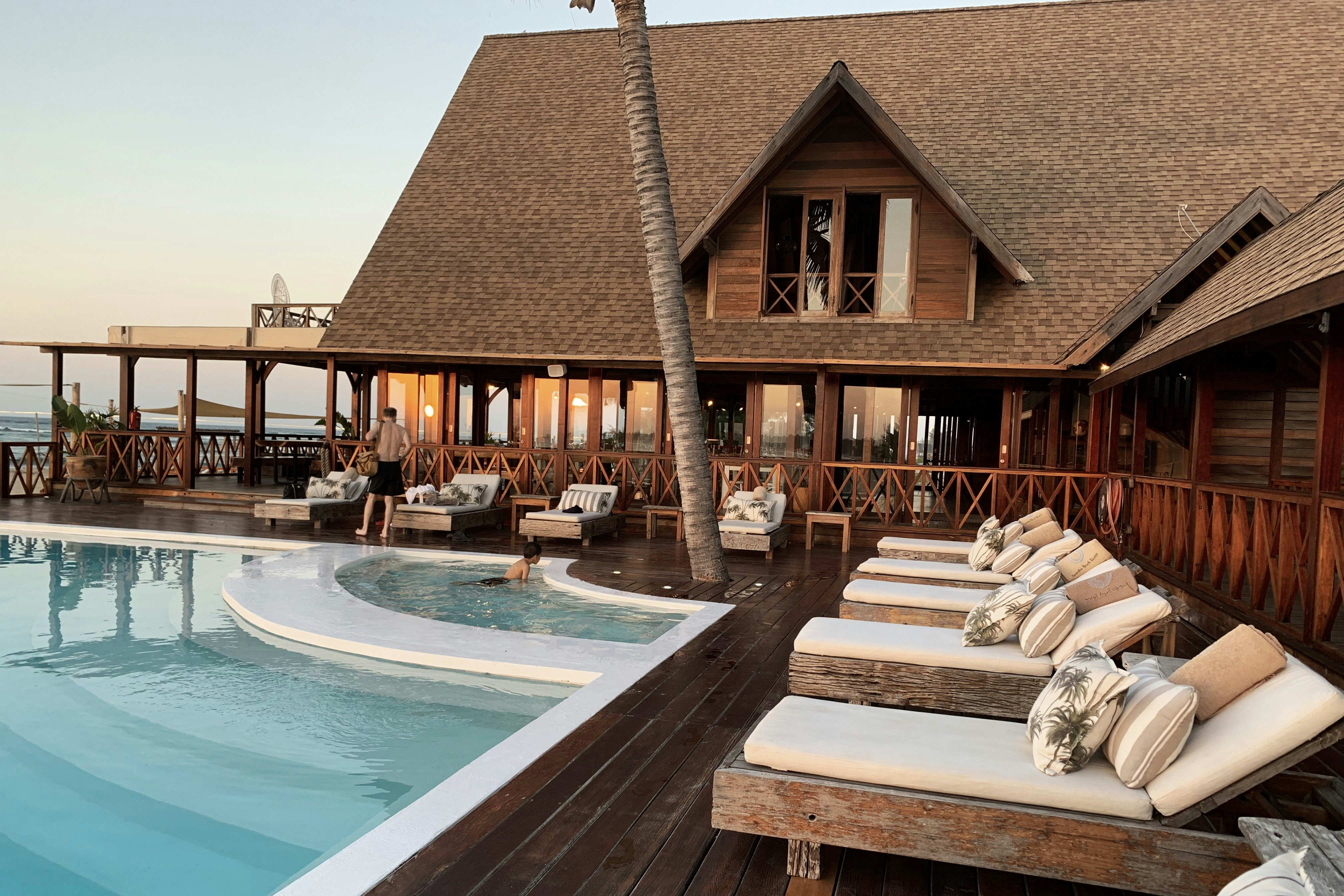
Visual cues from different hotel and casino resort environments—modern, classic, and scenic—captured below the fold.



FAQ
What defines a top hotel and casino resort?
A cohesive balance between rooms, gaming, dining, and location, with minimal friction across the stay.
Is a larger resort always better?
Not necessarily. Larger resorts offer variety, but smaller or integrated properties can deliver a more comfortable rhythm.
USA or Canada?
Choose the USA for scale and constant activity; choose Canada for balance, clarity, and destination integration.